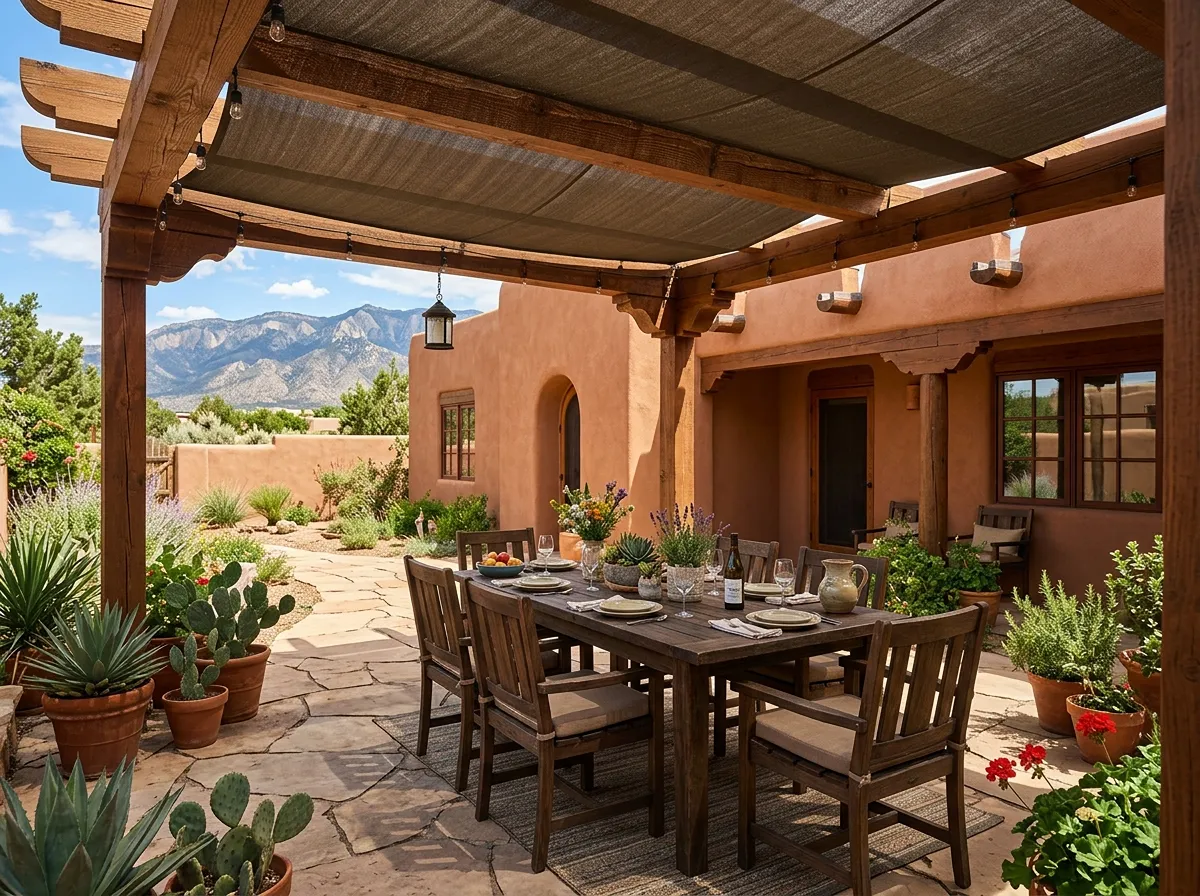
You’re standing on your patio at 2 PM in July. The sun is relentless. You’ve been thinking about adding a shade cover, but now you’re stuck on one question: should you get partial shade or full shade?
Here’s the short answer. Partial shade covers block some sunlight while allowing dappled light through, creating a balance of shade and brightness. Full shade covers block nearly all direct sunlight, providing maximum cooling and UV protection.
Both options work well for patios. The right choice depends on your climate, how you use your outdoor space, and your personal comfort preferences.
This guide breaks down the differences between partial and full shade covers, shows you real-world scenarios for each, and helps you decide which one fits your home. By the end, you’ll know exactly what to look for.
Table of Contents
- Key Takeaways
- What Is a Partial Shade Cover?
- What Is a Full Shade Cover?
- Partial Shade vs Full Shade Covers: Key Differences
- If You Want to Grow Plants on Your Patio, Choose Partial Shade
- If You Live in Albuquerque, Full Shade Often Wins
- If Your Budget Is Tight, Consider Partial Shade First
- Comparison Table: Popular Shade Cover Options
- What Most Homeowners Get Wrong About Shade Coverage
- The Regrets Homeowners Mention Most
- Common Questions We Get Asked
- Ready to Choose Your Shade Cover?
Key Takeaways
- Partial shade covers block 30 to 70 percent of sunlight, creating filtered shade with natural light
- Full shade covers block 80 to 95 percent of direct sunlight for maximum cooling
- Full shade covers can reduce patio temperatures by 10 to 15 degrees Fahrenheit compared to uncovered areas
- Partial shade covers work best for gardens, plants, and spaces where you want brightness with some protection
- Full shade covers are ideal for Albuquerque’s intense climate, outdoor dining, and areas where you want consistent comfort
- Cost difference between the two is typically 10 to 30 percent, with full shade covers costing more due to solid materials
- Lattice covers and pergolas are common partial shade options, while Alumawood and solid patio covers provide full shade
What Is a Partial Shade Cover?
A partial shade cover is an outdoor structure that blocks a portion of sunlight while allowing the rest to pass through. Think of it as nature’s sunglasses for your patio. You get protection from the harshest rays, but you still enjoy natural light and airflow.
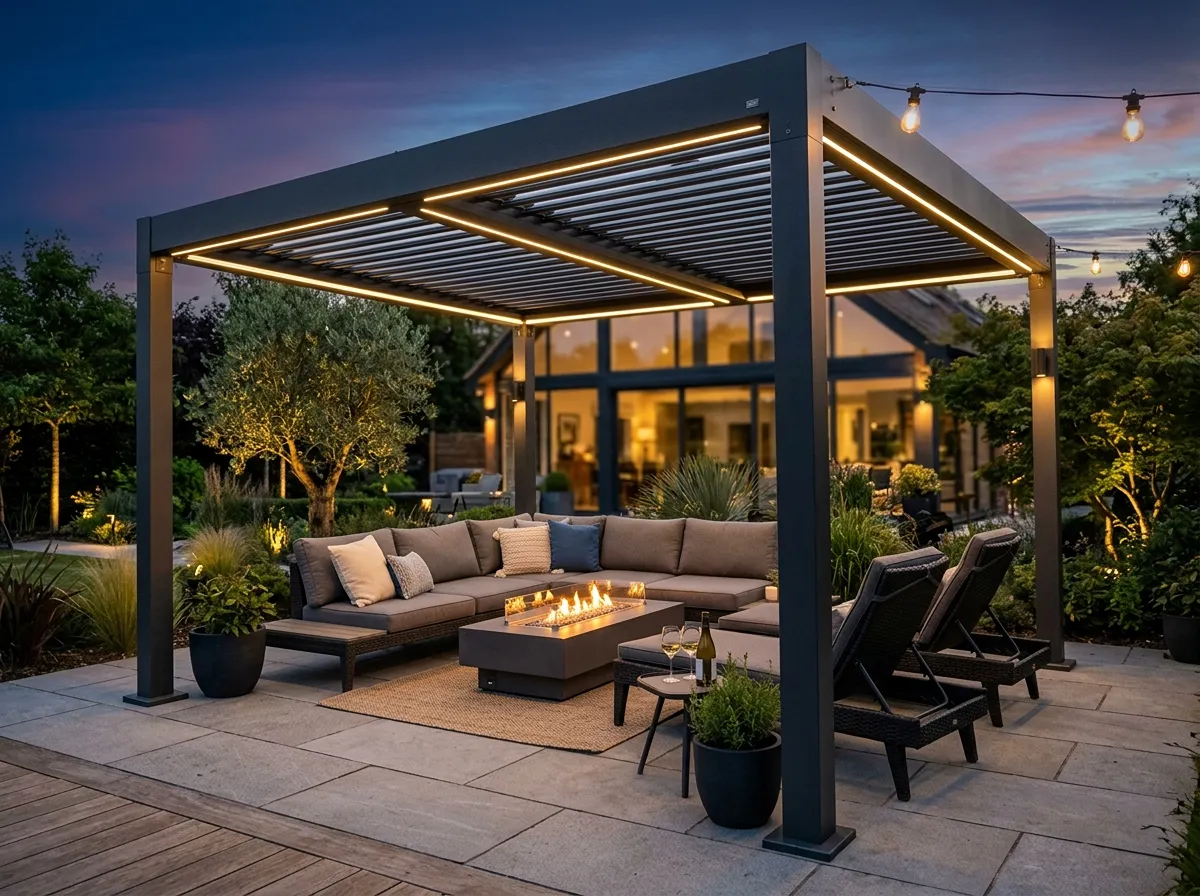
These covers typically use materials like lattice, slatted wood, or perforated metal. The gaps or openings let sunlight filter through in patterns. On a hot day, you might see dappled shadows on your patio floor. That’s partial shade at work.
Partial shade covers are popular for gardens because many plants need some sunlight to thrive. They’re also great for covered walkways, pergolas, and any space where you want shade without creating a dark cave.
If you want to explore custom options, you can learn more about partial shade covers designed for your specific space.

What Is a Full Shade Cover?
A full shade cover is an outdoor structure that blocks nearly all direct sunlight from reaching the area below. It creates a solid barrier between you and the sun. When you sit under a full shade cover at noon, you’re in complete shadow.
These covers use solid materials like aluminum panels, Alumawood, or opaque fabrics. There are no gaps for light to sneak through. The result is a consistently cool, comfortable space that feels like an outdoor room.
Full shade covers are ideal for patios in hot climates. They protect furniture, reduce cooling costs for nearby rooms, and make outdoor spaces usable even during peak sun hours. For homeowners who want maximum comfort and UV protection, full shade covers deliver.
To see what full coverage looks like for your home, explore full shade covers built for durability and style.

Partial Shade vs Full Shade Covers: Key Differences
Let’s be honest. The names sound similar, but these two options create very different experiences.
| Feature | Partial Shade Covers | Full Shade Covers |
| Sunlight Blocked | 30 to 70 percent | 80 to 95 percent |
| Temperature Reduction | 5 to 10 degrees F | 10 to 15 degrees F |
| Natural Light | Filtered, dappled | Minimal to none |
| Best For | Gardens, plants, airflow | Dining areas, hot climates |
| Materials | Lattice, slats, perforated metal | Aluminum, Alumawood, solid panels |
| Airflow | Excellent | Good to moderate |
| Cost Range | $2,000 to $6,000 | $3,500 to $12,000 |
| Maintenance | Moderate | Low |
The biggest difference comes down to light and heat. Partial shade covers let you feel connected to the outdoors while taking the edge off the sun. Full shade covers create a retreat from the sun entirely.
According to the U.S. Department of Energy, shading your patio and nearby windows can reduce cooling costs by up to 25 percent. The type of shade you choose affects how much energy you save.

If You Want to Grow Plants on Your Patio, Choose Partial Shade
Here’s the thing most people don’t realize. Not all plants love full sun. Many vegetables, herbs, and ornamental plants actually prefer partial shade, especially in hot climates.
If you’re planning a patio garden, a partial shade cover gives you the best of both worlds. Your plants get the light they need without getting scorched during afternoon heat. Tomatoes, peppers, and leafy greens all benefit from filtered sunlight.
Full shade covers, on the other hand, can starve plants of the light they need. If your patio is primarily a garden space, partial shade is usually the smarter choice.
If You Live in Albuquerque, Full Shade Often Wins
Albuquerque averages over 280 sunny days per year. The UV index regularly hits 10 or higher during summer months. That’s intense.
If you live here, you already know how brutal the afternoon sun can be. A full shade cover turns your patio from unusable to enjoyable during peak hours. You can host lunch, read a book, or just relax without feeling like you’re sitting under a magnifying glass.
For Albuquerque homeowners who want to use their patio year-round, full shade covers are often worth the extra investment.

If Your Budget Is Tight, Consider Partial Shade First
Let’s talk money. Partial shade covers typically cost less because they use less material. A basic lattice cover might run $2,000 to $4,000 installed. A full shade cover with premium materials can easily exceed $8,000.
If you’re working with a limited budget, partial shade gets you started. You can always upgrade later or add shade sails or curtains to increase coverage. It’s a practical first step that still improves your outdoor comfort.
That said, don’t sacrifice quality for price. A cheap cover that fails in two years costs more than a quality cover that lasts twenty.
Comparison Table: Popular Shade Cover Options
| Option | Price Range | Best For | Rating | Key Feature |
| Lattice Cover | $2,000 to $5,000 | Gardens, airflow | 4.5/5 | Classic look, dappled shade |
| Pergola (open) | $3,000 to $8,000 | Entertaining, style | 4.7/5 | Customizable, adds value |
| Pergola (covered) | $5,000 to $12,000 | Full shade, dining | 4.8/5 | Best of both worlds |
| Alumawood Patio Cover | $4,000 to $10,000 | Hot climates, low maintenance | 4.9/5 | Wood look, aluminum durability |
| Solid Patio Cover | $3,500 to $9,000 | Maximum shade, privacy | 4.6/5 | Complete protection |
When you’re ready to explore options that match your style and budget, Awnair Awnings can help you find the perfect fit for your outdoor space.
What Most Homeowners Get Wrong About Shade Coverage
The number one mistake? Assuming more shade is always better.
Full shade covers are fantastic for hot climates and dining areas. But if you install one over a garden or a space where you want to feel the breeze and see the sky, you might feel closed in. Some homeowners regret going too dark, too fast.
The second mistake is underestimating airflow. Partial shade covers naturally allow more air movement because of their open design. Full shade covers can trap heat if they’re not designed with ventilation in mind. Always ask about airflow before you commit.
The third mistake is ignoring the sun’s path. A cover that works perfectly in winter might not block summer sun when the angle changes. Professional installation ensures your cover is positioned for year-round effectiveness.
If you’re unsure which direction to go, a choosing the right shade cover guide can walk you through the decision step by step.
The Regrets Homeowners Mention Most
We’ve talked to hundreds of homeowners about their shade cover decisions. Here are the regrets that come up again and again.
Regret 1: Choosing based on looks alone. A beautiful pergola that doesn’t block enough sun leaves you still squinting at 3 PM. Function matters as much as form.
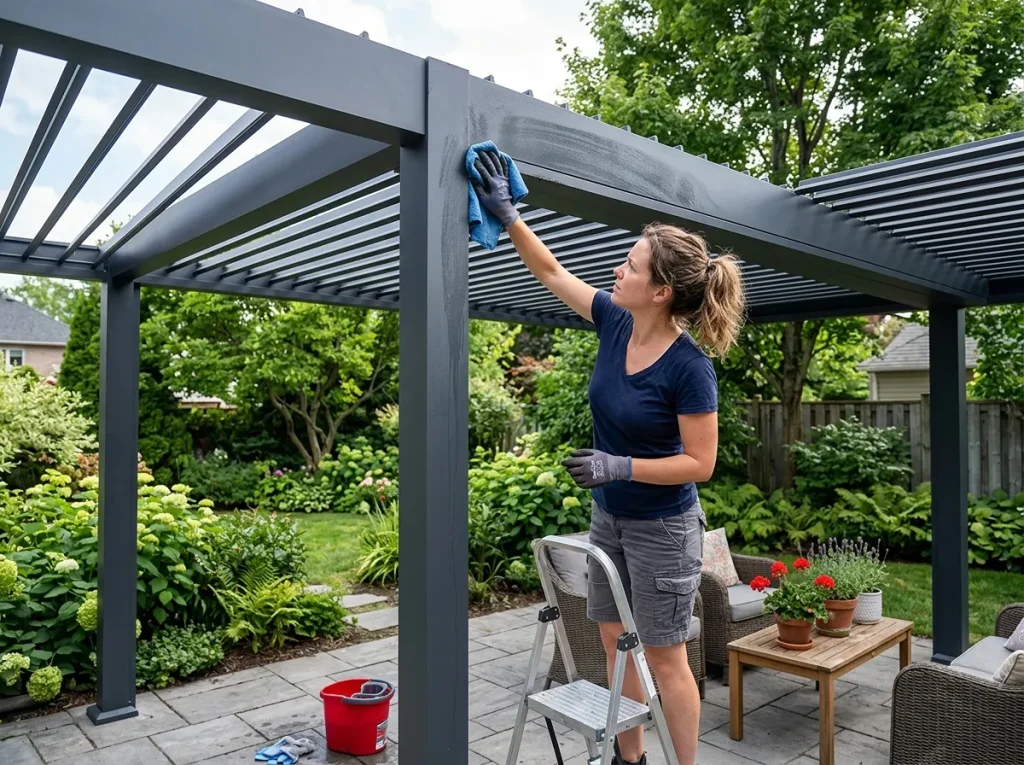
Regret 2: Not thinking about maintenance. Wood looks great but needs sealing and staining. Aluminum and Alumawood look great with almost no upkeep. Know what you’re signing up for.
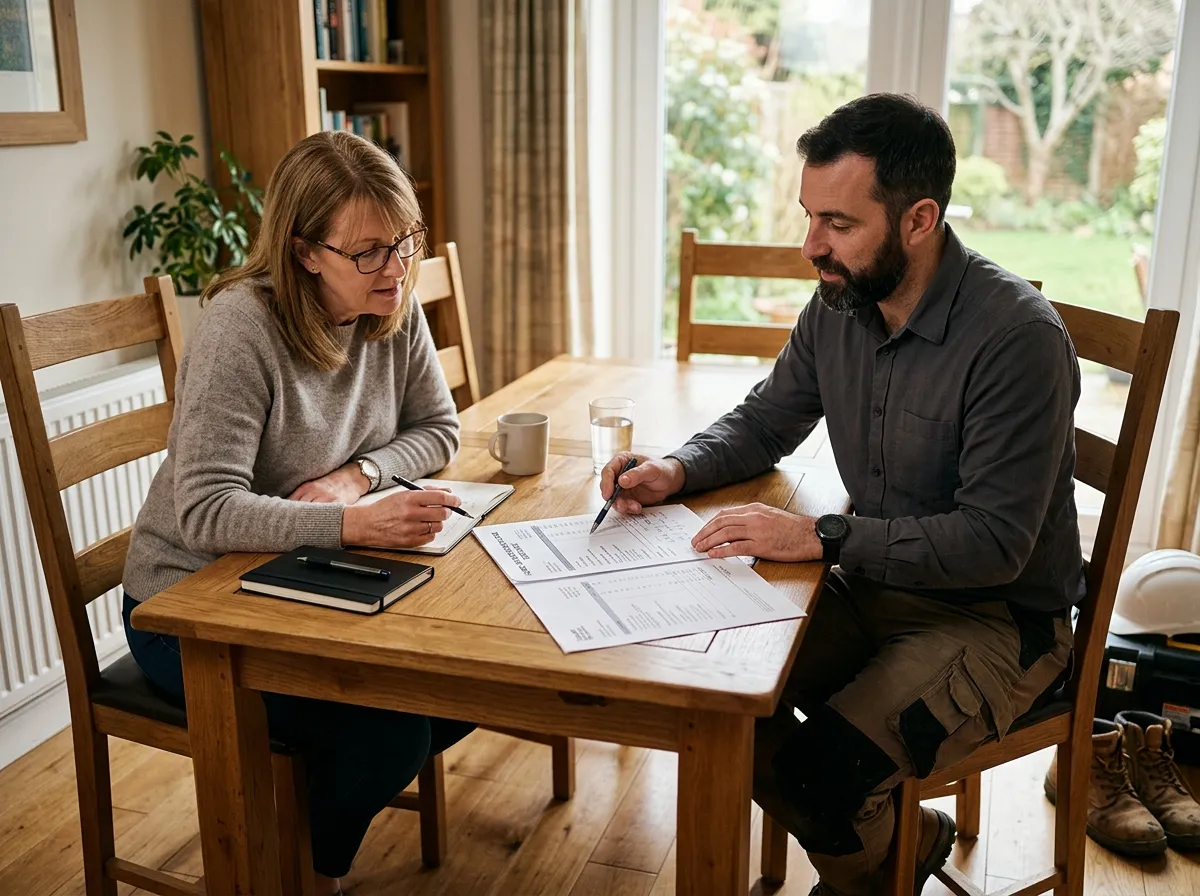
Regret 3: Skipping professional installation. DIY shade covers often have gaps, leaks, or structural issues. A professional installation ensures your cover performs as intended and lasts for decades.
Regret 4: Not checking local codes. Some neighborhoods have HOA restrictions on shade structures. Always check before you buy.
Regret 5: Going too small. A cover that only shades half your patio leaves the other half unusable. Measure your space carefully and plan for how you actually use it.

Common Questions We Get Asked
How much sun do partial shade covers block?
Partial shade covers typically block 30 to 70 percent of sunlight. The exact amount depends on the material and design. Lattice with wider gaps blocks less, while tighter slats block more.
Are full shade covers worth the extra cost?
For hot climates like Albuquerque, yes. Full shade covers can reduce patio temperatures by 10 to 15 degrees, making your outdoor space usable during peak sun hours. The comfort and energy savings often justify the investment.
Can I install a shade cover myself?
While DIY kits exist, professional installation ensures proper anchoring, alignment, and weather resistance. Mistakes can lead to structural issues or voided warranties. For a permanent structure, hiring a pro is usually the better choice.
How long do shade covers last?
Aluminum and Alumawood covers can last 20 to 30 years with minimal maintenance. Wood covers typically last 10 to 20 years and require regular sealing. Lattice covers vary based on material quality.
Do shade covers increase home value?
Yes. A well-designed patio cover improves curb appeal and adds usable outdoor living space. According to real estate professionals, outdoor improvements can recoup 50 to 80 percent of their cost at resale.
What’s the best shade cover for Albuquerque’s climate?
Alumawood and aluminum full shade covers perform best in Albuquerque. They handle intense UV, temperature swings, and dry conditions without warping, fading, or rotting.
Can I add shade to an existing pergola?
Absolutely. You can add shade sails, fabric panels, or even retrofit a solid cover onto an existing pergola. This is a cost-effective way to increase coverage without starting over.
Ready to Choose Your Shade Cover?
You’ve got the information. Now it’s time to decide.
If you want filtered light, airflow, and a natural feel, partial shade covers are your answer. If you want maximum comfort, UV protection, and a cool retreat from the Albuquerque sun, full shade covers deliver.
Either way, professional installation makes all the difference. Awnair Awnings has been helping homeowners create beautiful, functional outdoor spaces for years. We’ll help you choose the right coverage, handle the installation, and make sure your patio becomes the space you’ve always wanted.
Get a free quote today and take the first step toward a cooler, more comfortable patio.